There is a particular kind of hunger that strikes at the end of a long day: the need for something green and lively, but also loud with flavor, the kind of dish that makes you reach for rice before you have even sat down. Lao Gan Ma kang kong answers that call with a sizzle and a curl of chili-scented steam. This is the sort of quick, unfussy stir-fry you find in home kitchens across Southeast Asia and in Chinese diaspora communities, where a jar of Lao Gan Ma Chilli in Oil sits within arm’s reach of the stove like a trusted companion.
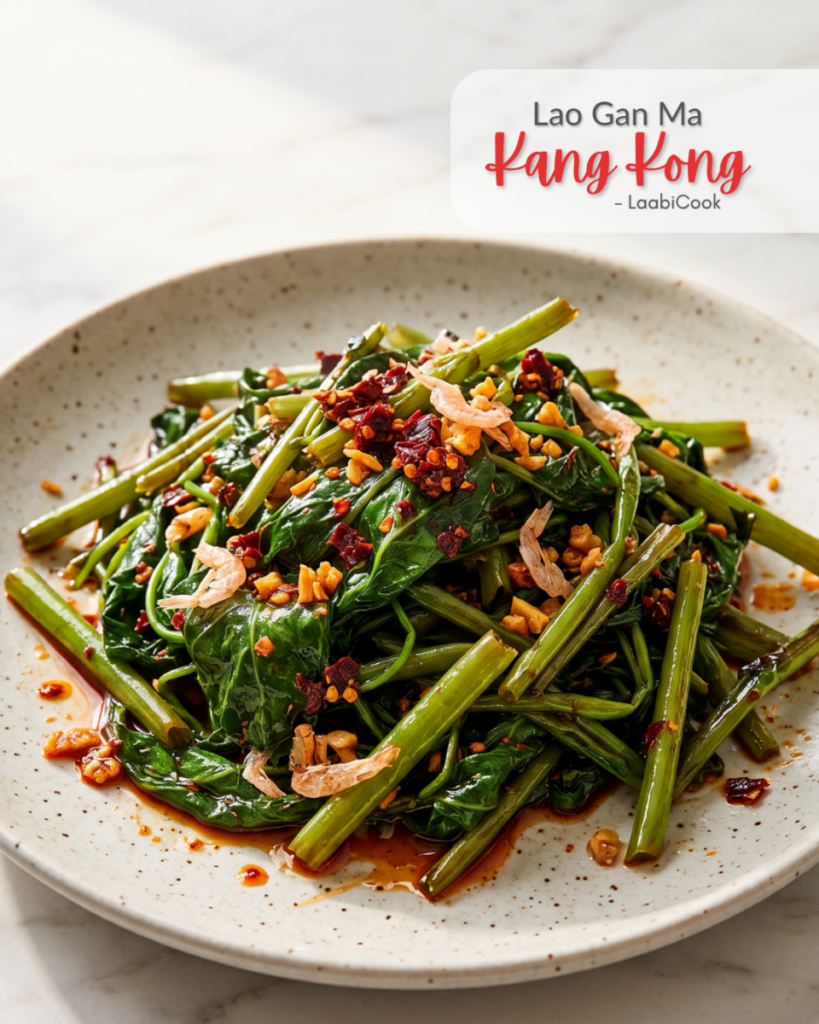
The dish takes its cue from a popular Lao Gan Ma Lady’s Finger recipe that has made the rounds online, but swaps in kang kong, that hollow-stemmed water spinach so beloved in Malaysian and Singaporean cooking. The stems stay snappy, the leaves wilt into glossy ribbons, and everything gets coated in the deep, complex heat of chili oil layered with dried shrimp and garlic. You are looking at under ten minutes from raw ingredients to a plate you will want to lick clean.
Why You’ll Love This Recipe
- Lightning fast: The whole dish cooks in about four minutes of active stir-frying. It is the kind of recipe you memorize rather than reference, perfect for weeknights when even boiling pasta feels like too much.
- Layered umami from pantry staples: Dried shrimp, Lao Gan Ma, and soy sauce build a savory depth that tastes like far more effort than it is. No stock, no long simmering, just ingredients doing the work they were designed for.
- Glorious texture contrast: Kang kong stems and leaves cook at different rates, so you get crisp-tender stalks against silky, sauce-clinging greens in every bite.
The Culinary Secrets Behind This Dish
The order of operations here is doing more work than it appears to. By adding the kang kong stems a full two minutes before the leaves, you give the thicker, woodier stalks time to soften just enough while maintaining their characteristic crunch. The hollow structure of kang kong stems means they cook from both the outside and inside simultaneously, so that two-minute head start is precisely calibrated, not arbitrary. Throw the leaves in too early and they collapse into mush; too late and you are chewing on fibrous stalks.
Adding the Shaoxing wine off the heat is a small but decisive move. The alcohol needs only the residual heat of the pan to bloom into the dish, contributing its faintly sweet, fermented depth without any harsh bite. If you added it over a live flame, much of that nuance would simply evaporate. The Lao Gan Ma itself carries significant oil, which acts as a flavor carrier for the fat-soluble compounds in the chili and spices; this is why the sauce clings so satisfyingly to the kang kong leaves rather than pooling at the bottom of the plate.
What You’ll Need
Equipment
- Frying pan: A wide surface with sloped sides gives you room to toss the kang kong without stems flying everywhere, and it heats quickly for the high-heat cooking this stir-fry demands.
Ingredients
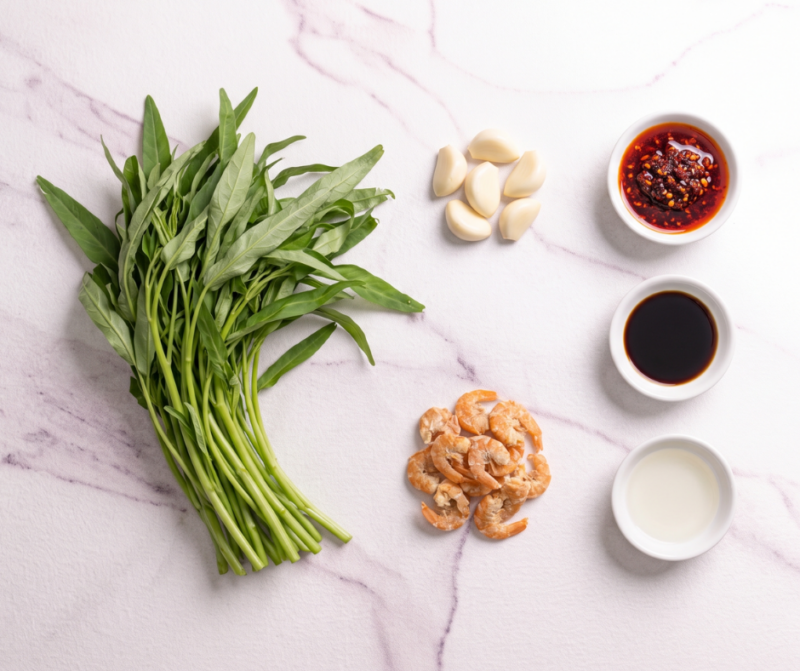
- 200 g kang kong, leaves and stems separated, stems cut into 2 inch lengths: The stems bring crunch and the leaves bring silkiness; separating them lets you control the texture of each.
Aromatics
- 5 cloves garlic, chopped: Provides the fresh, pungent base note that bridges the dried shrimp and the bottled chili.
- 10 g dried shrimps, chopped: These tiny preserved crustaceans dissolve slightly into the oil and leave behind a deep, sea-forward umami that fresh shrimp cannot replicate.
Sauces and Seasoning
- 3 tbsps Lao Gan Ma Chilli in Oil: The soul of the dish: fermented black beans, chili flakes, and numbing Sichuan pepper suspended in fragrant oil.
- 1 tbsp light soy sauce: Adds salinity and a touch of caramel color without the heaviness of dark soy.
- Salt and/or sugar, to taste: The Lao Gan Ma and soy sauce may already carry enough salt, so taste first.
- 1 tbsp Shaoxing wine: Added off the heat, it lends a subtle sweetness and rounds off the edges of the chili heat.
Cooking
- 1 tbsp cooking oil: Just enough to wake up the garlic and dried shrimp; the Lao Gan Ma brings plenty more fat to the party.
Step-by-Step Cooking Guide
1: Heat the oil
- Set your frying pan over medium-high heat and add the cooking oil. You want it shimmering but not smoking, hot enough that the garlic will sizzle the moment it hits the pan.
2: Fry the aromatics
- Toss in the chopped garlic and dried shrimps. Stir-fry for about 30 seconds until your kitchen fills with their combined fragrance and the garlic just begins to turn golden at the edges. Do not let it brown; bitter garlic is hard to come back from.
3: Add the stems
- Put in the kang kong stems and stir-fry for 2 minutes. They will brighten from dull green to vivid emerald and start to soften slightly while still keeping their signature snap.
4: Wilt the leaves
- Add the kang kong leaves and continue stir-frying for another minute. Watch them collapse and darken, turning glossy as they release their moisture into the pan.
5: Sauce the greens
- Spoon in the Lao Gan Ma and drizzle over the light soy sauce. The oil will loosen and coat every surface, turning the vegetables a deep, appetizing red-brown.
6: Taste and adjust
- Sample a stem and a leaf together. Add a pinch of salt if needed, or a tiny bit of sugar if the heat feels too sharp and you want to round it out. This is personal; trust your own palate.
7: Mix thoroughly
- Keep everything moving in the pan until the Lao Gan Ma and soy sauce are evenly distributed and no pale green patches remain. The sound should be a lively sizzle, not a steamy hiss.
8: Finish with wine
- Turn off the heat entirely, then pour in the Shaoxing wine. It will hiss and release a fragrant, slightly boozy cloud that settles almost immediately into something warm and complex.
9: Toss and serve
- Give everything a final few tosses until the wine is fully incorporated, then transfer to a plate. Serve right away while the stems still have their bite and the leaves are at their most tender.
Ingredient Substitutions & Variations
| Ingredient | Substitute | Taste & Texture Impact |
| Dried shrimps | Dried anchovies (ikan bilis), finely chopped, or 1 tsp shrimp paste (belacan) | Anchovies are saltier and less sweet; shrimp paste is more pungent and will need to be fried longer. Both are noticeably more aggressive than dried shrimp. |
| Shaoxing wine | Dry sherry or omit entirely | Dry sherry is the closest match. Omitting loses the subtle sweetness and aromatic lift; the dish will taste flatter and more one-dimensional. |
| Lao Gan Ma Chilli in Oil | Another chili crisp or chili oil with solids | Lao Gan Ma has a specific fermented, slightly numbing profile that is hard to replicate. Other chili crisps can be excellent but will produce a different, often simpler flavor. |
Recipe twists:
| Variation | Description & Culinary Details |
| Protein-boosted version | Add 100g of sliced pork belly or firm tofu cubes after the aromatics and before the kang kong stems. The pork renders its fat into the sauce; the tofu soaks it up like a sponge. |
| Extra-fragrant with fermented black beans | Stir in 1 tbsp of rinsed, chopped fermented black beans (douchi) along with the Lao Gan Ma. They amplify the savory depth and add pleasant, irregular bursts of intense flavor. |
| Sichuan pepper finish | Grind a pinch of Sichuan peppercorn over the finished dish. The numbing quality plays beautifully against the chili heat and adds a third dimension to the sensation. |
Allergen Friendly Adjustments
- Gluten-Free: Not as written. Light soy sauce contains wheat; swap for tamari or a certified gluten-free soy sauce. Check your Lao Gan Ma label, as some formulations may contain gluten.
- Dairy-Free: Already dairy-free. No modifications needed.
- Nut-Free: Already nut-free, though always verify your specific Lao Gan Ma jar as formulations vary by region and batch.
- Shellfish-Free: Not as written. Omit the dried shrimps entirely; the dish will still be savory but noticeably less deep in umami. You could add a splash of fish sauce for partial compensation, though this is not shellfish-free either. For a fully vegetarian version, consider a small amount of miso or extra Lao Gan Ma.
Serving and Pairing Suggestions
- Steamed jasmine rice: The plain, fragrant starch is essential for catching every drop of the chili-scented oil. A bowl each, minimum.
- Cold Chinese beer or iced barley tea: The carbonation and gentle bitterness of a Tsingtao or similar lager cuts through the richness; barley tea offers the same refreshment without alcohol.
- Century egg tofu: The cool, silky tofu and funky egg provide a temperature and textural contrast that makes the meal feel complete and restaurant-worthy.
Storage, Reheating, and Freezing Guide
- Refrigeration: Store in an airtight container for up to 2 days. The kang kong will continue to soften and the vibrant color will dull, but the flavor holds surprisingly well.
- Reheating: Warm quickly in a hot frying pan with a splash of water to loosen the sauce. A microwave will turn the stems unpleasantly limp; avoid if possible.
- Freezing: Not recommended. The high water content of kang kong means frozen leaves turn to mush upon thawing, and the crisp-tender texture that makes this dish special is lost entirely.
Frequently Asked Questions (FAQ)
▶ Why do I need to separate the kang kong stems and leaves?
The hollow stems take significantly longer to cook than the delicate leaves. Adding them together means either mushy leaves or crunchy, undercooked stems. The two-minute gap is the sweet spot.
▶ My Lao Gan Ma seems to have separated into oil and solids. Is that okay?
Perfectly normal, and actually what you want. Give the jar a good stir before measuring so you get both the fragrant oil and the chunky chili solids. The oil is carrying much of the flavor.
▶ Can I use the Lao Gan Ma with black beans instead of the regular chili in oil?
You can, and it will be delicious, but the black bean version is saltier and more fermented. Taste before adding any additional salt, and consider reducing the soy sauce slightly.
▶ The dish tastes too oily. What went wrong?
Lao Gan Ma is generous with its oil, and that is part of the appeal, but three tablespoons on top of your cooking oil can be too much for some palates. Next time, drain off some of the chili oil before adding the solids, or simply reduce to 2 tablespoons.
Lao Gan Ma Kang Kong (Water Spinach)
Equipment
- Frying Pan
Ingredients
- 200 g Kang Kong , separate leaves and stems, cut stems into 2 inch length
- 5 cloves Garlic , chopped
- 10 g Dried shrimps , chopped
- 1 tbsp Cooking oil
- 3 tbsps Lao Gan Ma Chilli in Oil
- 1 tbsp Light soy sauce
- Salt and/or sugar , to taste
- 1 tbsp Shaoxing wine
Instructions
- Heat oil in frying pan.
- Add chopped garlic and dried shrimps, stir-fry for about 30 secs until fragrant.
- Add kang kong stems, stir fry for 2 minutes.
- Add kang kong leaves, stir-fry for another minute.
- Add Lao Gan Ma and soy sauce.
- Season with salt and/or sugar to your preference.
- Stir-fry until all seasoning are well mixed.
- Turn off heat, add in Shaoxing wine while the frying pan is still hot.
- Again, stir-fry until well mixed and serve.
Gobble these up too!
-

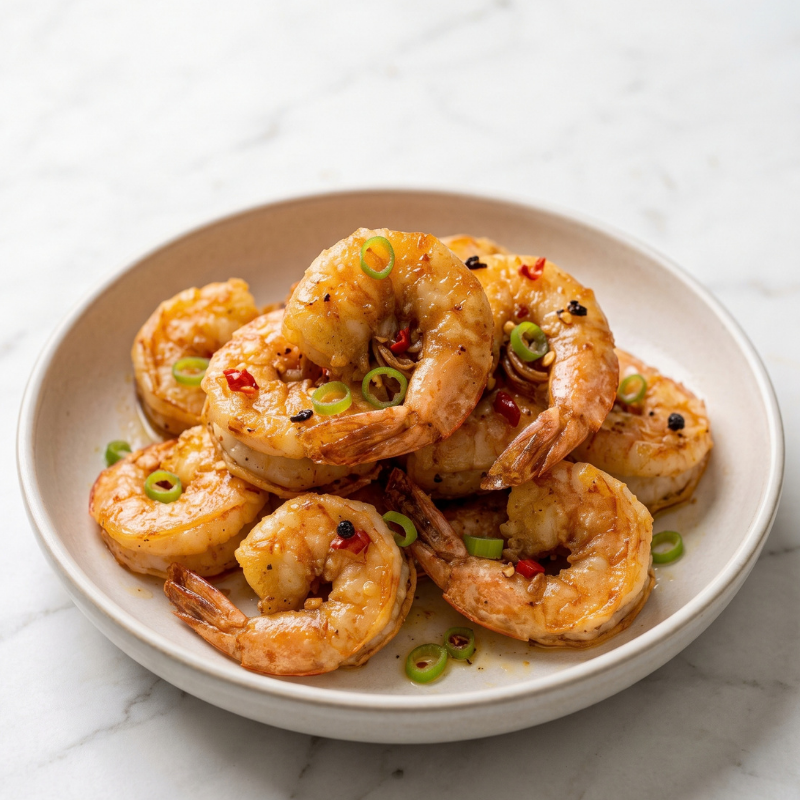
Lemon prawns, a zesty Chinese seafood stir-fry with whiskey and spring onions. Only 7 ingredients,…
-
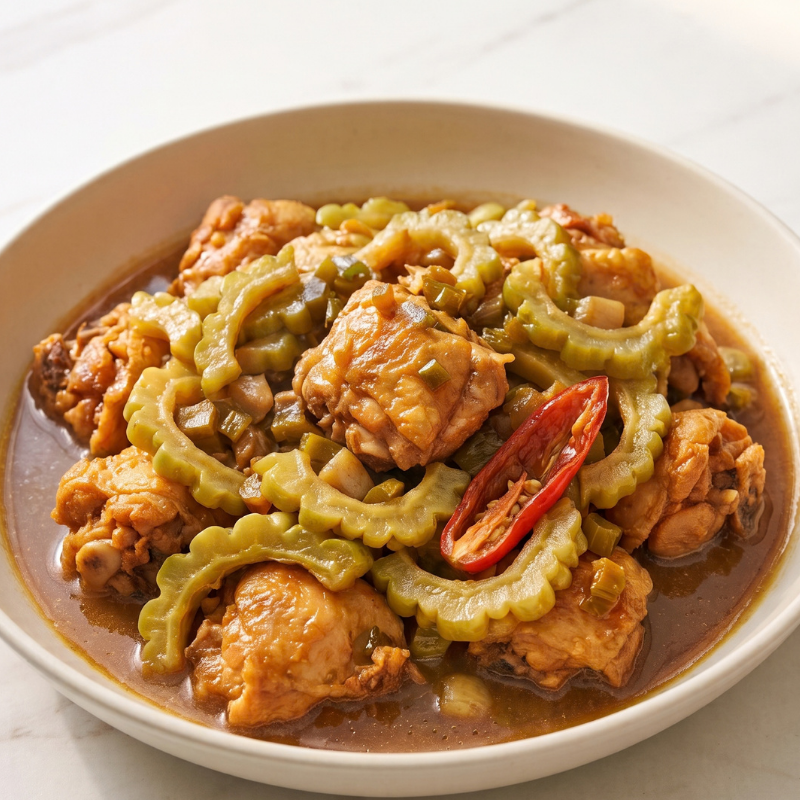
Learn the Teochew trick for taming bittergourd. This braised chicken uses pickled pineapple and chilli…
-
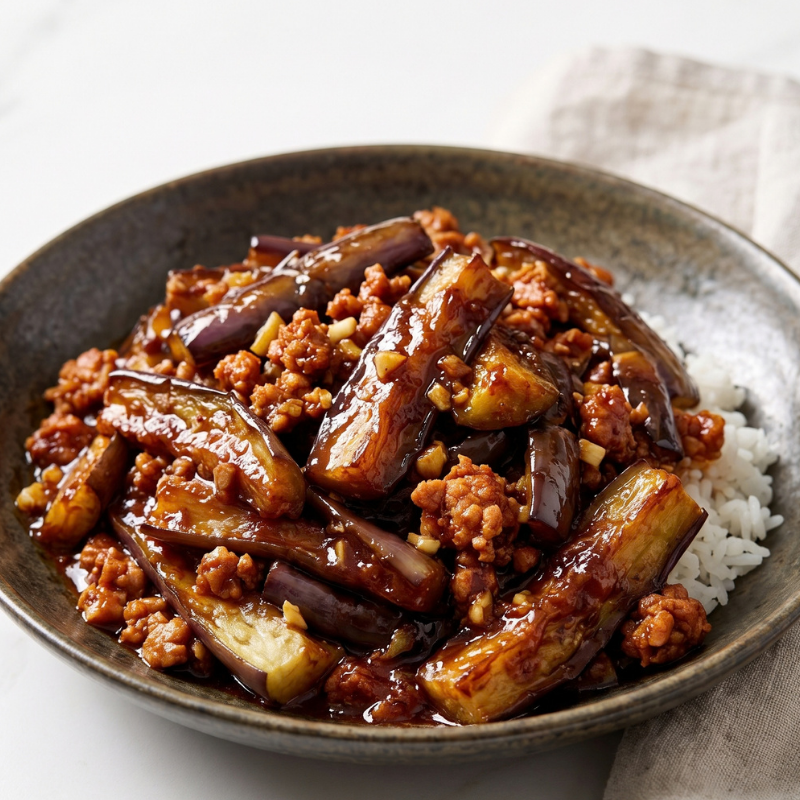
Brinjal lovers, this one’s for you. Pork, garlic, hot bean paste, cornflour slurry for gloss.…
-
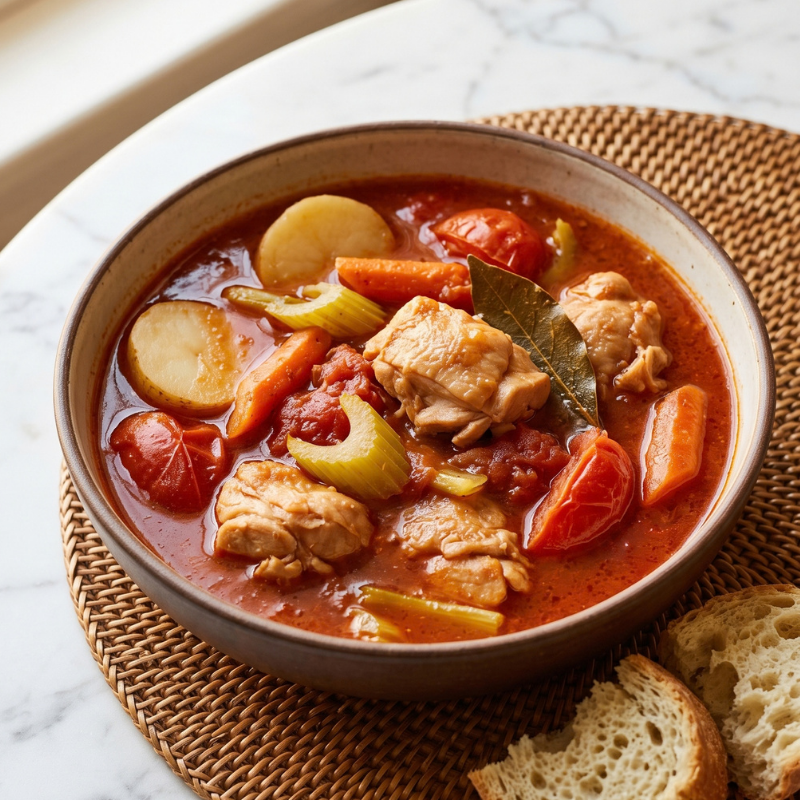
No cream, no fuss, just a thick savory stew you can pull together after work.…