The smell of mee sua frying in hot oil will transport you straight to a Singapore hawker centre at dusk, where the woks roar and the queues stretch round the corner. This fried mee sua recipe takes that childhood memory of birthday noodles, the ones you ate soft and soupy with a hard-boiled egg, and gives them a glorious second life: crisped, sauced, and tossed with pork and prawns until every strand carries the wok’s breath.
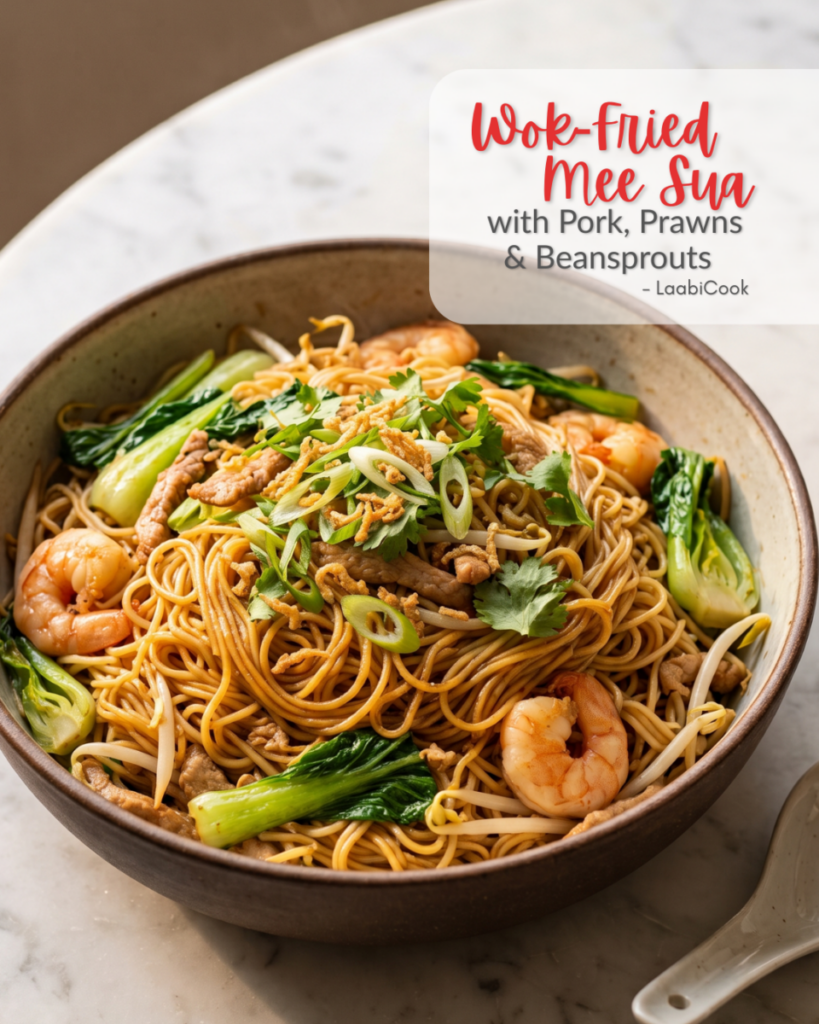
Some hawker centres still serve the traditional hot mee sua soup with minced pork and liver, and that comfort runs deep. But frying the noodles first changes everything. You get two textures in one bowl: the golden crunch that softens into silk as it meets the stock, plus the sweet bounce of beansprouts and seafood. It is the kind of dish that turns a Tuesday evening into something worth gathering for.
Why You’ll Love This Recipe
- True wok hei without the hawker stall: Deep-frying the mee sua before saucing creates that elusive breath of the wok, the smoky char you cannot fake in a flat pan. The noodles drink up the stock differently too, plump and separate rather than clumping.
- Feeds a crowd from modest ingredients: Three hundred grams of noodles stretches to serve four generously once the beansprouts, greens, and proteins join the party. The technique does the heavy lifting, not expensive cuts.
- Layers of texture in every mouthful: Crisped noodles, crunchy beansprouts, tender prawns, and silky chye sim stems all coexist because each element is cooked separately then married at the last moment. Nothing goes soggy.
The Culinary Secrets Behind This Dish
The 15-second deep-fry is not just for colour. When wheat noodles hit 180C oil, surface moisture flash-evaporates and starch molecules undergo rapid dextrinisation, creating a brittle, porous crust. This fried shell resists the stock later, so the noodle absorbs sauce gradually from the outside in rather than turning immediately mushy. You are essentially building a protective armour that yields to tenderness.
Cooking the beansprouts separately before the final toss preserves their turgidity. Their cells are full of water under tension; prolonged heat collapses those walls and releases liquid, which would dilute your sauce and turn the sprouts limp. The same principle applies to the chye sim: stems first to soften fibrous cellulose, leaves last so they barely wilt and keep their chlorophyll brightness. The layered add-ins are not fussy restaurant theatre. They are moisture management.
What You’ll Need
Equipment
- Wok: The high, sloping sides contain the oil for deep-frying and allow vigorous tossing without spillage. A flat pan will not give you the same heat concentration or movement.
- Colander: You need it twice: once to drain the fried noodles of excess oil, and again to stop the boiling noodles instantly so they do not overcook in residual heat.
- Chopsticks: Long cooking chopsticks let you turn the mee sua bundles quickly in hot oil without bringing your fingers near the surface, and they separate strands gently later without breaking them.
- Large pot: The 1.5 litres of water needs room to return to the boil fast after the fried noodles go in, or they will stew instead of cook.
Ingredients
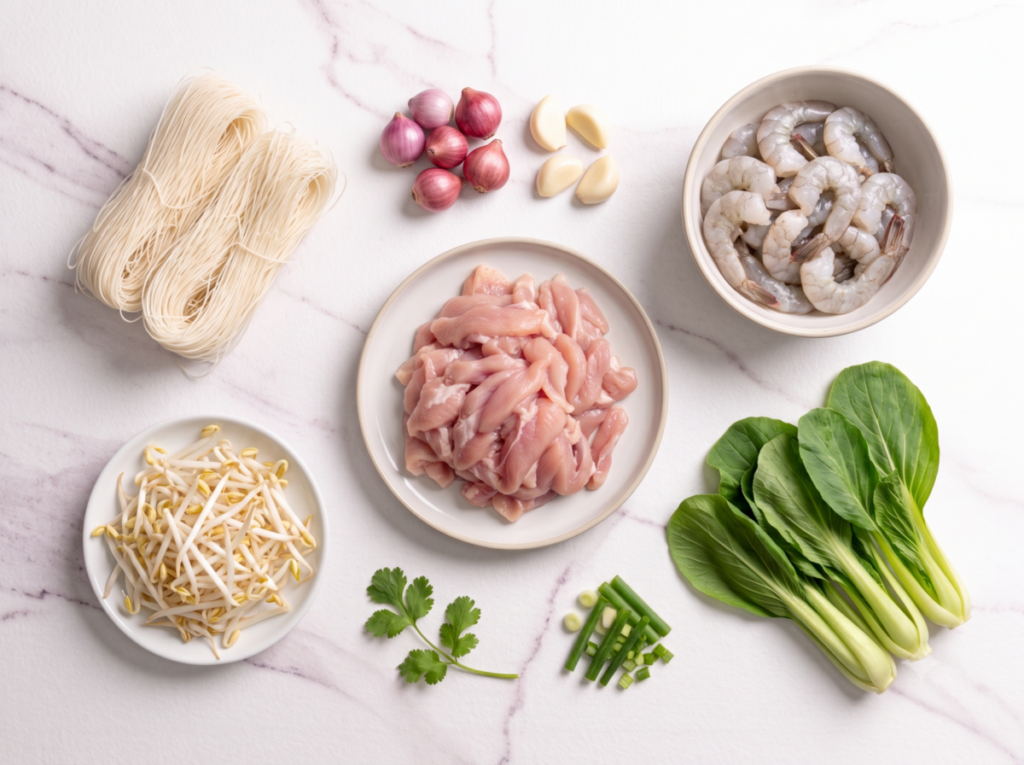
For frying and saucing
- Oil, 2 cups: Neutral oil with a high smoke point carries the heat for deep-frying and becomes your cooking medium for the rest of the dish. You will reserve and reuse it, so the flavour builds.
- Mee sua or fine rice vermicelli, 300 g, unwashed: The wheat version gives better browning and that characteristic birthday-noodle taste, but rice vermicelli works if you need gluten-free. Unwashed is crucial; surface starch helps the crisp crust form.
Vegetables
- Beansprouts, 450 g: Their high water content and neutral sweetness provide crunch and bulk, lightening the whole dish so it does not sit heavily.
- Chye sim, 4 stalks, cut into 5-cm lengths, stems and leaves separated: This Chinese flowering cabbage has tender stems that need a minute longer than the delicate leaves, which wilt in seconds and add a faint mustardy note.
- Spring onions, 2 stalks, cut into 2.5-cm lengths: Added at the very end, they contribute fresh allium heat and a flash of colour without the sulphur intensity of raw onion.
- Coriander leaves, 1 sprig, cut into 2.5-cm lengths: The citrus-soap brightness cuts through the richness of the fried noodles and pork fat, waking up the palate.
Aromatics and protein
- Shallots, 5, peeled and sliced: Fried until fragrant, they provide the sweet, layered base note that distinguishes Southeast Asian cooking from garlic alone.
- Garlic, 4 cloves, peeled and minced: The pungent backbone that sings against the mild wheat noodles and sweet seafood.
- Pork, 150 g, cut into strips: A small amount of meat adds savoury depth and texture; the strips cook quickly and thread through the noodles appealingly.
- Prawns, 300 g, shelled and cleaned: Their sweetness and slight brine are the classic pairing with mee sua, and they cook in moments once the pork has rendered some fat.
Seasoning and liquid
- Water, 1.5 litres: For par-boiling the fried noodles; the large volume ensures the temperature does not drop too far when the crisped strands hit the pot.
- Salt, 1 tsp: Draws moisture from the prawns and pork as they fry, helping them brown and seasoning them from within.
- Ground pepper, 1 tsp: White pepper is traditional for its subtle heat and floral notes; black works if that is what you have.
- Chicken stock, 750 ml: Forms the sauce body; homemade gives the cleanest taste, but a good concentrate diluted properly will not shame you.
- Light soy sauce, 2 tbsps: Adds salinity and that faint caramel depth without the heaviness of dark soy, letting the fried noodle flavour stay central.
Step-by-Step Cooking Guide
1: Fry the mee sua
- Heat the oil in your wok over a steady medium-high flame until it shimmers. Add the mee sua a bundle at a time; it will puff and pale gold almost instantly. Turn quickly with chopsticks, 15 seconds is all it takes to go from pale to deep gold. Lift out into a colander to drain. The noodles should feel light and brittle, like crisp nests.
2: Stir-fry the beansprouts
- Pour off all but 3 tablespoons of the oil into a heatproof bowl; you will need it again. Return the wok to the heat, toss in the beansprouts, and stir-fry for exactly one minute. They should keep their crunch and look slightly glossy. Remove and set aside on a plate.
3: Soften the fried noodles
- Bring the large pot of water to a rolling boil. Drop in the fried mee sua and cook for 1 to 2 minutes. Test a strand; it should bend easily without resistance but still have a slight chew. Pour immediately into the colander and drain thoroughly; excess water here will dilute your sauce later.
4: Cook the pork and prawns
- Heat another 3 tablespoons of reserved oil in the wok over medium heat. Fry the shallots and garlic until fragrant and just colouring at the edges, about 30 seconds. Add the pork strips and stir-fry for 2 minutes until they lose their pinkness and take on a little gold. Add the prawns, sprinkle with salt and pepper, and toss until they curl and turn opaque. Dish out and set aside with the beansprouts.
5: Build the sauce and combine
- Pour the chicken stock into the same unwashed wok and bring to a boil. Add the chye sim stems and soy sauce, simmer for one minute to soften, then add the leaves. They will wilt in seconds. Now return everything to the wok: the drained mee sua, the beansprouts, the pork and prawns. Toss thoroughly with chopsticks so the sauce coats every strand and the ingredients distribute evenly.
6: Finish and serve
- Scatter the spring onions and coriander over the top, give one final toss, and serve immediately while the contrast between crisp and soft is at its peak. Offer sliced red chillies in light soy sauce or sambal on the side for those who want heat.
Ingredient Substitutions & Variations
| Ingredient | Substitute | Taste & Texture Impact |
| Mee sua | Fine rice vermicelli (bee hoon) | You lose the wheat flavour that makes this taste like birthday noodles, and rice vermicelli fries differently, less puff and more shatter. The dish is still delicious but becomes something else entirely. |
| Prawns | Shelled squid, cut into rings | Squid gives similar sweet brine but toughens if overcooked by even 30 seconds. Add it with the chye sim leaves, not with the pork. |
| Chye sim | Choi sum or baby bok choy | Choi sum is nearly identical; baby bok choy has thicker stems, so slice them thinner and give them an extra 30 seconds in the stock. |
| Chicken stock | Vegetable stock or water with a pinch of MSG | Vegetable stock makes the dish lighter but less resonant; water with MSG gives depth back but lacks the rounded body of chicken. Do not use beef stock, it overwhelms. |
| Shallots | Red onion, finely sliced | Red onion is sharper and less sweet; cook it 30 seconds longer to mellow, or the finished dish will have a raw edge. |
Recipe twists:
| Variation | Description & Culinary Details |
| Seafood mee sua | Replace the pork with more prawns and add a handful of fish cake slices and shelled clams in the final toss. The stock becomes the dominant flavour, so use a good fish or prawn stock instead of chicken. |
| Vegetarian birthday noodles | Omit pork and prawns, double the beansprouts, and add fried firm tofu puffs and rehydrated shiitake mushrooms with their soaking liquid replacing half the stock. The mushrooms give the umami depth that meat would have provided. |
Allergen Friendly Adjustments
- Gluten-Free: Not as written; mee sua is wheat-based. Substitute fine rice vermicelli and use tamari instead of light soy sauce to make this gluten-free.
- Dairy-Free: This recipe contains no dairy ingredients.
- Nut-Free: This recipe contains no nuts or tree nuts.
- Shellfish-Free: Contains prawns. Substitute with chicken thigh strips or additional pork, adjusting cooking time so the meat stays tender.
Serving and Pairing Suggestions
- Calamansi lime juice in iced water: The sharp citrus cuts through the fried richness and refreshes the palate between bites. If you cannot find calamansi, a squeeze of lime in water with a pinch of salt does similar work.
- Sambal belacan on the side: The fermented shrimp paste heat is the traditional hawker accompaniment, its funk and fire amplifying the sweet pork and prawns.
- Simple choy sum with oyster sauce: A separate plate of plainly blanched greens gives you something fresh to balance the meal, and the oyster sauce echoes the savoury depth of the noodles.
Storage, Reheating, and Freezing Guide
- Refrigeration: Transfer to an airtight container once cooled and refrigerate for up to 2 days. The noodles will soften considerably as they sit in the residual sauce; this is unavoidable but not unpleasant, more like the traditional soupy mee sua of childhood.
- Reheating: Add a splash of water or stock to loosen, cover, and microwave for 2 minutes, stirring halfway. Or reheat in a wok over medium heat with a tablespoon of oil, tossing constantly until steaming hot throughout. Do not overheat or the noodles will break down.
- Freezing: Not recommended. The twice-cooked noodles become brittle and grainy when frozen and thawed, and the beansprouts turn to mush. This is a dish to eat fresh, when the texture contrast is the whole point.
Frequently Asked Questions (FAQ)
▶ Why must the mee sua be unwashed?
The surface starch helps the noodles crisp and brown in the hot oil. Rinsing removes this, so your mee sua will fry pale and absorb oil rather than forming that light, brittle crust.
▶ Can I skip the deep-frying and just boil the noodles?
You can, but you will have a completely different dish: soft, soupy, and without the wok hei that defines this style. The fried mee sua recipe relies on that initial fry for its signature texture and smoky depth.
▶ My noodles clumped together in the final toss. What went wrong?
They were not drained thoroughly after boiling, or they sat too long before saucing. Water on the surface makes starch gluey. Work quickly from colander to wok, and toss with chopsticks to separate strands rather than a spatula which compresses them.
▶ The prawns turned rubbery. How do I avoid this?
They cooked too long. Prawns need only 60 to 90 seconds once they hit the hot wok; they continue cooking in the residual heat when you set them aside. Add them at the very end of the pork frying stage, toss until just pink, then remove immediately.
Wok-Fried Mee Sua with Pork, Prawns & Beansprouts
Equipment
- wok
- colander
- chopsticks
- Large Pot
Ingredients
- 2 cups oil
- 300 g mee sua
- 450 g beansprouts
- 1 ½ litres water
- 5 shallots , peeled and sliced
- 4 cloves garlic , peeled and minced
- 150 g pork, cut into strips
- 300 g prawns , shelled and cleaned
- 1 tsp salt
- 1 tsp ground pepper
- 750 ml chicken stock
- 4 stalks chye sim , cut into 5-cm lengths, separate stems from leaves
- 2 tbsps light soy sauce
- 2 stalks spring onions , cut into 2.5-cm lengths
- 1 sprig coriander leaves , cut into 2.5-cm lengths
Instructions
- Heat oil in a wok over a medium-high fire. When hot, put in mee sua, a bundle at a time, and deep-fry, turning over quickly with chopsticks until golden. This takes about 15 secs. Drain in a colander.
- Drain and reserve oil. Using only 3 tbsps of the reserved oil in the wok, stir-fry beansprouts for 1 min. Remove and set aside.
- Bring water to a boil in a large pot. When boiling, add fried vermicelli. Cook for 1 to 2 mins or until soft. Immediately pour vermicelli into a colander, drain well.
- Heat another 3 tbsps of the reserved oil in a wok over a medium fire. Stir-fry shallots and garlic, add pork and stir-fry for another 2 mins. Add prawns and season with salt and pepper. Mix well. Dish out and set aside.
- Pour chicken stock into the same wok and bring to a boil. Add chye sim stems and light soy sauce, and cook for 1 min. Add chye sim leaves, mee sua, beansprouts, fried pork and prawns. Mix well.
- Lastly, add spring onions and coriander leaves. Serve hot with sliced red chillies in light soy sauce, or sambal if desired.
Gobble these up too!
-

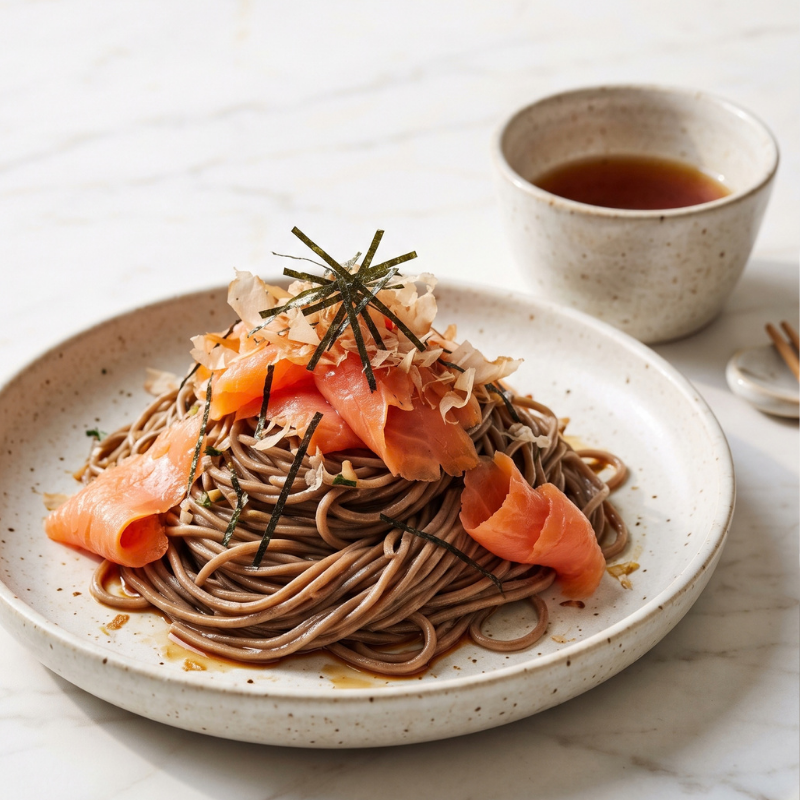
Learn to make zaru soba with a proper mirin-soy dipping base. I use smoked salmon…
-
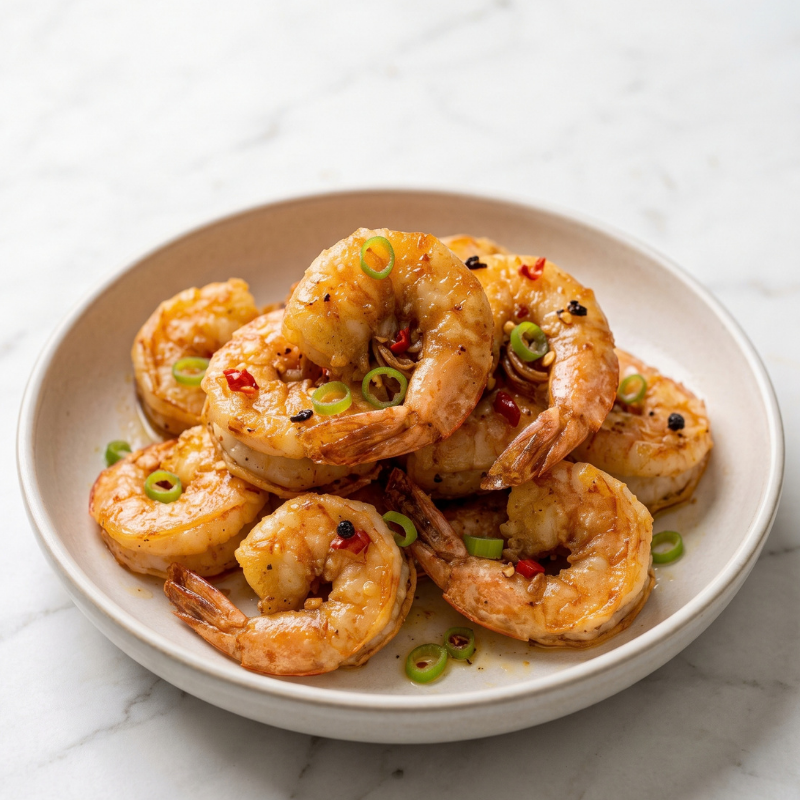
Lemon prawns, a zesty Chinese seafood stir-fry with whiskey and spring onions. Only 7 ingredients,…
-
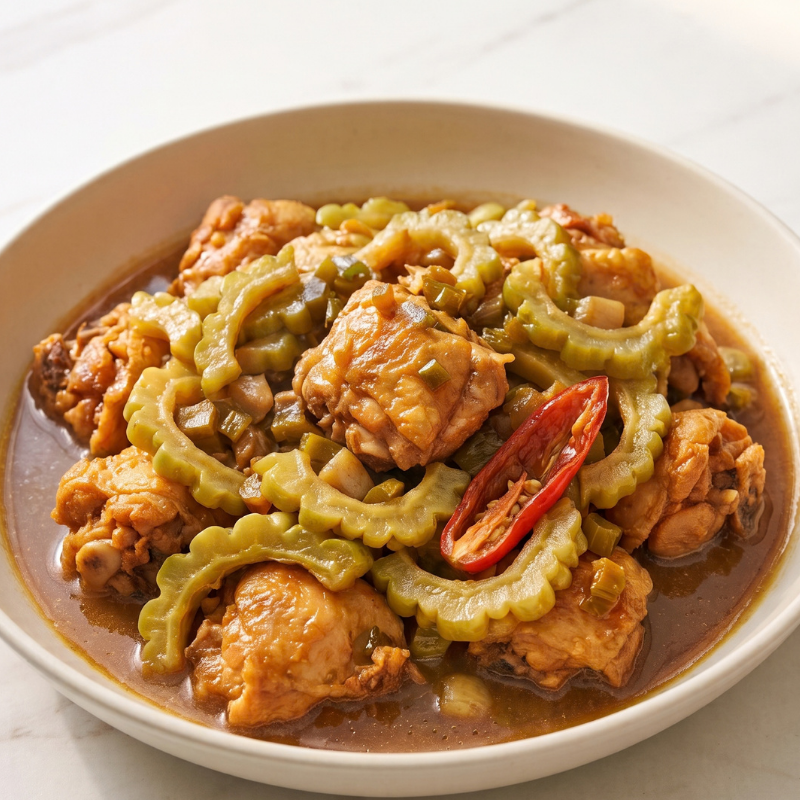
Learn the Teochew trick for taming bittergourd. This braised chicken uses pickled pineapple and chilli…
-
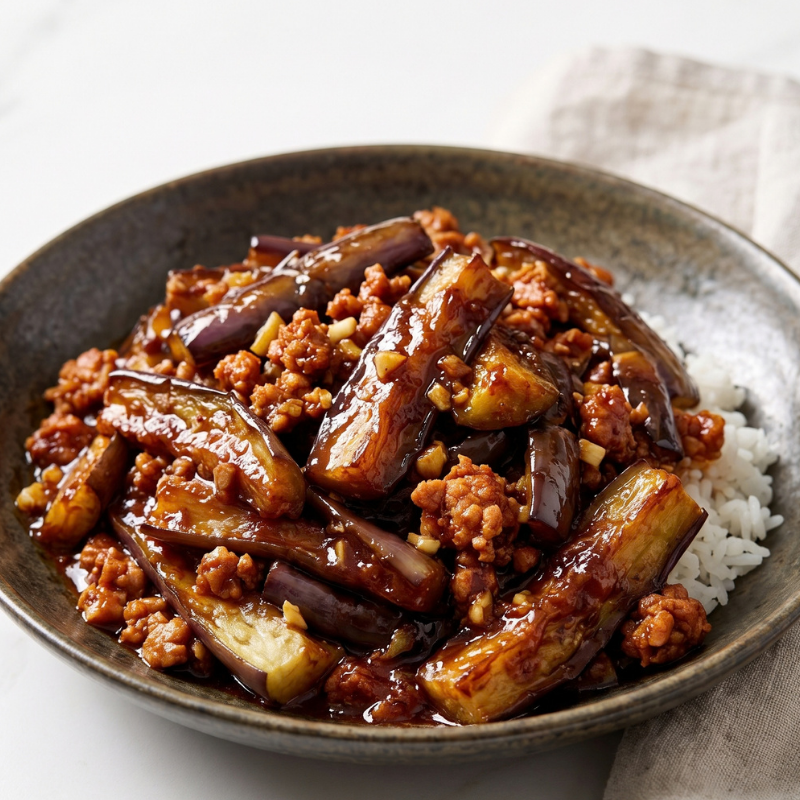
Brinjal lovers, this one’s for you. Pork, garlic, hot bean paste, cornflour slurry for gloss.…