There is a particular kind of quiet that settles over a kitchen when a vegetable curry recipe begins its slow simmer on the stove. The kind where you find yourself leaning against the counter with a cup of tea, watching steam curl up toward the window while the air fills with something warm and promising. This chickpea, pumpkin and eggplant curry was built for exactly these moments: when the day has asked too much of you and you need a meal that gives back.
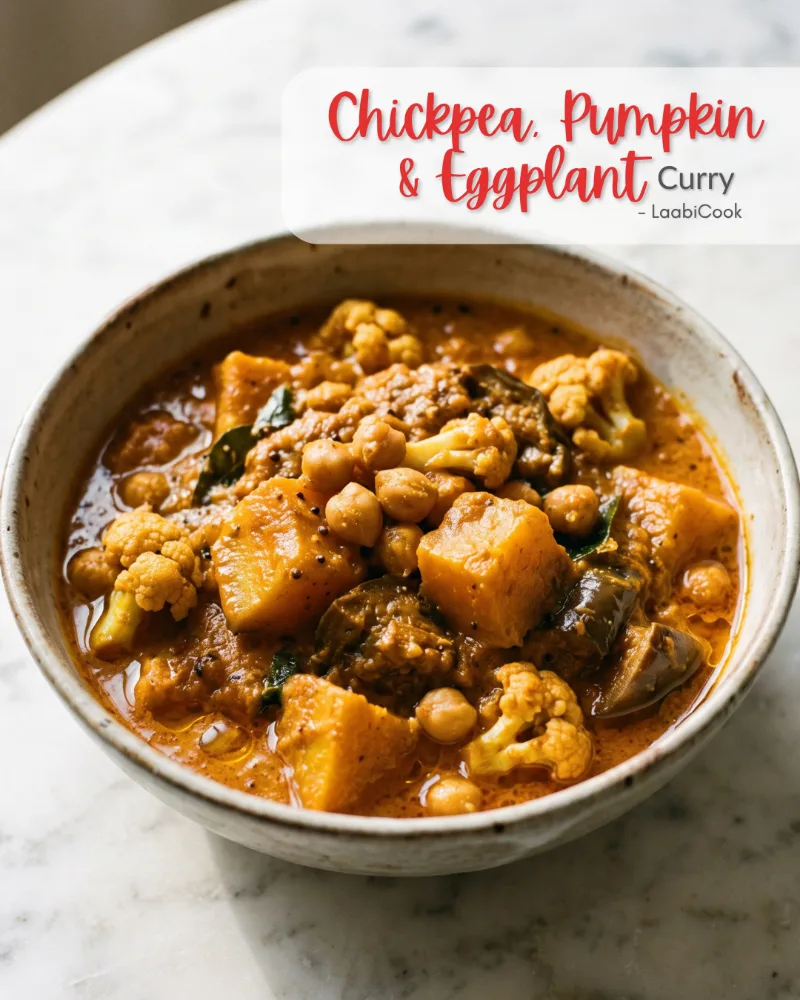
The pumpkin softens into velvety chunks that collapse against your fork. The eggplant, having surrendered its bitterness in the initial sauté, melts into silky pockets throughout. Chickpeas hold their shape, offering gentle resistance and a nutty depth that makes the whole pot feel substantial without heaviness. By the time you ladle it over rice, the warmth has already started working its way through you.
Why You’ll Love This Recipe
- One-pan simplicity: Everything happens in a single large pan, meaning minimal washing up and a relaxed cooking process that lets you tend to other things while dinner takes care of itself.
- Gentle, forgiving timing: The 20-minute covered simmer followed by a final 10 minutes is flexible; the vegetables will wait patiently if you need an extra few minutes to finish a phone call or help with homework.
- Naturally budget-friendly: Canned chickpeas, seasonal pumpkin and a jar of curry paste form the backbone, making this a generous pot of food that feeds many without demanding much from your wallet.
The Culinary Secrets Behind This Dish
The initial sauté of onion, garlic and eggplant does more than soften the vegetables; it drives off the excess moisture that makes eggplant spongy and bitter. Eggplant cells hold pockets of air and enzymatic compounds that can taste astringent when raw. The gentle heat collapses these cell walls, allowing the vegetable to begin taking on the aromatic oils from the pan. This step also initiates the Maillard reaction on the onion surfaces, building a subtle sweetness and depth that will carry through the entire curry.
Adding the curry paste to the hot vegetables before introducing liquid is a small but crucial technique. The heat activates the volatile oils in the spices, blooming their flavours and toasting them slightly so they integrate fully into the fat rather than floating on top of the finished sauce. The pumpkin and cauliflower then release their own moisture during the covered simmer, creating a gentle self-braising environment. The starch from the pumpkin thickens the sauce naturally, while the chickpeas, added only in the final 10 minutes, retain their structural integrity rather than disintegrating into the background.
What You’ll Need
Equipment
- Large pan: A wide, deep pan with a lid gives you room to sauté the vegetables without crowding, then comfortably holds all the ingredients for the covered simmer.
Ingredients
Aromatics and Base
- Vegetable oil, 1 tbsp: Provides a neutral cooking medium for the initial sauté, allowing the true flavours of the vegetables and spices to come forward.
- Onion, 150 g, chopped coarsely: Forms the sweet, savoury foundation that carries the curry paste and melds with the other vegetables during the long simmer.
- Garlic, 2 cloves, crushed: Releases its pungent, warming compounds when crushed, permeating the oil and establishing the curry’s aromatic backbone.
Vegetables
- Eggplant, 200 g: Transforms from firm and slightly bitter to silky and rich, absorbing the spiced sauce and adding luxurious texture.
- Pumpkin, 600 g, peeled and chopped coarsely: Breaks down partially during cooking, thickening the sauce while maintaining enough structure to give you something to bite into.
- Cauliflower, 500 g, chopped: Offers clean, mild florets that catch the spiced sauce in their crevices, providing contrast to the softer vegetables.
Sauce and Protein
- Vegetable curry paste, ¼ cup: Delivers concentrated spice, aromatics and often a touch of acidity or sweetness that defines the curry’s character.
- Vegetable stock, 375 ml: Creates the simmering liquid that softens the vegetables and carries their flavours into a cohesive sauce.
- Canned tomatoes, 425 g, undrained: Contributes acidity that balances the richness, plus umami depth that rounds out the vegetable flavours.
- Canned chickpeas, 400 g, rinsed and drained: Adds protein and satisfying bite, their starchy exteriors helping to lightly thicken the sauce in the final simmer.
Seasoning
- Salt: Amplifies all the existing flavours and is essential to balance the natural sweetness of the pumpkin and the acidity of the tomatoes.
- Ground black pepper: Introduces gentle heat and aromatic complexity, rounding out the curry’s spice profile.
Step-by-Step Cooking Guide
1: Heat the oil
- Set your large pan over a medium flame and pour in the vegetable oil. Wait until the oil shimmers slightly and runs easily across the surface when you tilt the pan; this tells you it is hot enough to begin cooking without sticking.
2: Sauté the aromatics and eggplant
- Add the chopped onion, crushed garlic and eggplant all at once. Stir them through the oil and cook, stirring occasionally, until the onion softens and turns translucent at the edges and the eggplant begins to collapse and take on a silky quality, about 8-10 minutes.
3: Bloom the curry paste
- Spoon in the vegetable curry paste and stir it through the hot vegetables for 1-2 minutes. You will smell the spices intensify and become more complex; this is the moment when they are releasing their full fragrance into the oil.
4: Add the remaining vegetables and liquids
- Tip in the pumpkin, cauliflower, vegetable stock and the entire can of tomatoes with their juices. Stir everything together so the curry paste distributes evenly and the vegetables are mostly submerged.
5: Simmer covered
- Raise the heat to bring the liquid to a gentle boil, then reduce the flame to low and cover the pan. Let it simmer for 20 minutes, during which time the pumpkin will begin to soften and the cauliflower will turn tender when pierced with a knife.
6: Add chickpeas and finish
- Stir in the rinsed chickpeas, re-cover the pan, and continue simmering for another 10 minutes. The vegetables should now yield completely to gentle pressure, and the sauce will have thickened slightly from the pumpkin starch.
7: Season and serve
- Taste the curry and add salt and ground black pepper as needed. The seasoning should taste balanced and bright, neither flat nor aggressively salty. Ladle over steamed rice while it is still steaming.
Ingredient Substitutions & Variations
| Ingredient | Substitute | Taste & Texture Impact |
| Vegetable curry paste | 2 tbsp curry powder mixed with 1 tbsp tomato paste and 1 tsp grated fresh ginger | The flavour will be less complex and slightly sharper; you may need to add a pinch of sugar to balance the acidity. |
| Pumpkin | Butternut squash or sweet potato | Nearly identical in texture and sweetness; butternut squash is slightly denser and may need 2-3 minutes longer to soften fully. |
| Cauliflower | Canned chickpeas (doubled) or frozen peas added in the final 5 minutes | Without cauliflower, the curry loses its variety of texture and becomes more homogeneous; frozen peas add brightness but less substance. |
| Eggplant | Zucchini, diced and salted for 15 minutes first | Zucchini releases more water and becomes softer, almost mushy; the curry will be less rich and silky without eggplant’s unique texture. |
Recipe twists:
| Variation | Description & Culinary Details |
| Creamy Coconut Version | Replace half the vegetable stock with full-fat coconut milk and reduce the final simmer by 5 minutes. The result is a luxurious, pale golden sauce with gentle sweetness that complements the spices. |
| Spicy Greens Addition | Stir in two big handfuls of chopped spinach or kale when you add the chickpeas. The leaves will wilt into the sauce, adding colour, nutrition and a slight peppery bite. |
| Roasted Vegetable Method | Roast the pumpkin, cauliflower and eggplant separately at 200°C until caramelised, then add to the simmered sauce for the final 10 minutes. This creates deeper, sweeter flavours and more textural contrast. |
Allergen Friendly Adjustments
- Gluten-Free: This recipe is naturally gluten-free, though you should verify that your vegetable curry paste does not contain any wheat-based thickeners.
- Dairy-Free: The recipe contains no dairy ingredients as written.
- Nut-Free: This curry is nut-free, but check your curry paste label as some brands include cashews or other nuts.
- Soy-Free: Naturally soy-free; again, confirm your curry paste ingredients as some contain soy sauce or soybean oil.
Serving and Pairing Suggestions
- Beverage pairing: A crisp, cold lager or a dry riesling cuts through the richness of the curry, while mango lassi offers soothing sweetness for those who prefer no alcohol.
- Side dish: Steamed jasmine or basmati rice is essential for soaking up the sauce; a simple cucumber raita or plain yoghurt on the side adds cooling contrast.
- Bread accompaniment: Warm naan or roti from the freezer, quickly heated in a dry pan, gives you something to scoop with and extends the meal beautifully.
Storage, Reheating, and Freezing Guide
- Refrigeration: Cool the curry completely, then transfer to airtight containers and refrigerate for up to 4 days; the flavours will actually improve after a day as they meld together.
- Reheating: Warm gently in a covered pan over medium-low heat, stirring occasionally and adding a splash of water or stock if the sauce has thickened too much in the cold.
- Freezing: This curry freezes well for up to 3 months; the pumpkin may soften slightly further upon thawing, but the flavour remains excellent. Thaw overnight in the refrigerator before reheating.
Frequently Asked Questions (FAQ)
▶ Why did my eggplant turn out bitter?
Eggplant needs adequate heat and oil to drive off its natural bitterness. Make sure your pan is hot enough before adding it, and do not crowd the pan, which causes steaming instead of proper sautéing.
▶ Can I use fresh tomatoes instead of canned?
Yes, though you will need about 600 g of ripe, fleshy tomatoes and should cook them down slightly longer. Canned tomatoes are actually preferred here for their consistent acidity and umami depth.
▶ My curry seems too thin. How do I thicken it?
Remove the lid for the final 5-10 minutes of simmering to allow excess moisture to evaporate, or mash a few of the chickpeas and pumpkin chunks against the side of the pan to release their starch.
▶ Can I make this in a slow cooker?
Yes, though you should still sauté the onion, garlic, eggplant and curry paste in a pan first, then transfer everything to the slow cooker and cook on low for 6 hours or high for 3 hours.

Chickpea, Pumpkin and Eggplant Curry
Equipment
- large pan
Ingredients
- 1 tbsp vegetable oil
- 150 g medium onion , chopped coarsely
- 2 cloves garlic , crushed
- 200 g eggplants or brinjal
- ¼ cup vegetable curry paste
- 600 g pumpkin , peeled, chopped coarsely
- 500 g cauliflower , chopped
- 375 ml vegetable stock
- 425 g canned tomatoes
- 400 g canned chickpeas , rinsed and drained
- Salt
- Ground black pepper
Instructions
- Heat oil in large pan over medium fire.
- Add onion, garlic and eggplant. Cook, stirring till tender.
- Add curry paste, cook, stirring.
- Add pumpkin, cauliflower, stock and undrained tomatoes.
- Bring to the boil. Then turn fire to a low simmer, and cook, covered, for about 20 mins.
- Add chickpeas and simmer, covered, for another 10 mins or until vegetables are tender.
- Season with salt and pepper.
Gobble these up too!
-

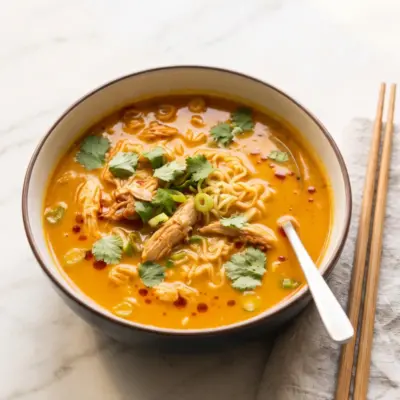
Transform canned pumpkin soup and rotisserie chicken into a fragrant Thai noodle bowl. One pan,…
-
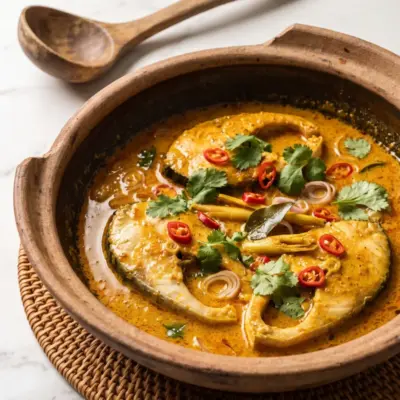
A fiery coconut fish curry made with mackerel cutlets, lemongrass and curry leaves. The microwave…
-
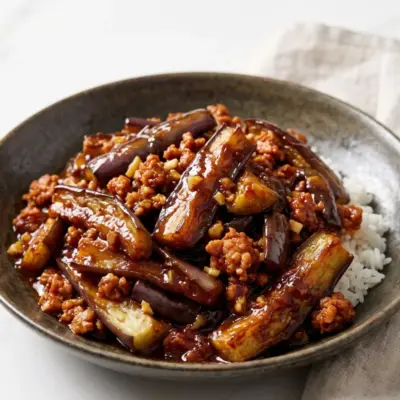
Brinjal lovers, this one’s for you. Pork, garlic, hot bean paste, cornflour slurry for gloss.…
-
Few dishes deliver the dramatic flavor return for minimal kitchen time quite like a classic…