Muah chee (麻糍) is a soft, chewy glutinous rice snack from Singapore, where vendors sell it from pushcarts and food courts for $3 a small box. It is essentially mochi’s streetwise cousin: pillowy rice dough cut into pieces and tumbled in fragrant peanut powder.
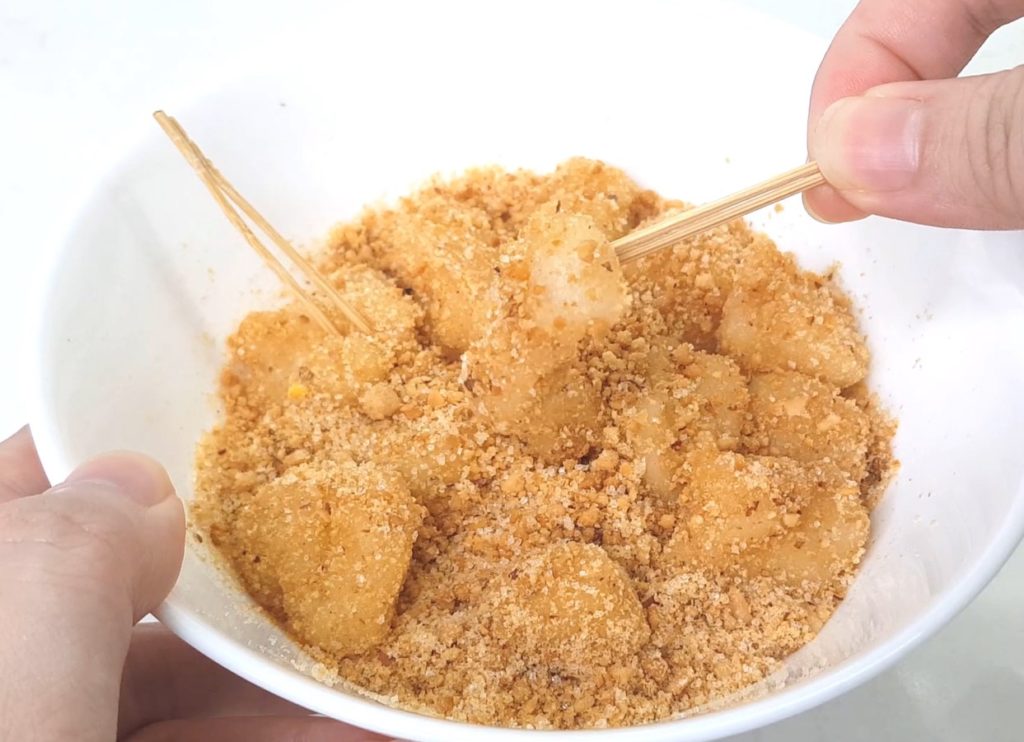
My husband is obsessed with it. He scans every hawker centre and shopping mall for those plastic boxes after dinner, hunting for the rare $2 find. I finally started making it at home because it’s just not worth it to pay $3 for a small box, but one pack of glutinous rice flour makes enough for two weeks of snacking. This muah chee recipe needs no steamer, no microwave, just one pan and 5 minutes. That is the kind of math I like.
Why You’ll Love This Recipe
- Costs pennies per serving: A 500g bag of glutinous rice flour costs about $2 and yields dozens of portions. Compare that to mall prices and you will never look back.
- No special equipment: No steamer, no rice cooker, no mochi machine. Just a bowl, a pan, and a spoon. You could make this in a hotel kitchenette.
- Texturally perfect: The 1:1.2 flour to water ratio gives you that cloud-like softness my family fights over. Prefer chewier? Scale back to 1:1 or 1:0.8.
The Culinary Secrets Behind This Dish
The magic happens through starch gelatinisation. When the wet glutinous rice flour hits the hot oiled pan, the starch granules absorb water and swell, creating that characteristic stretch and bounce. Stirring continuously is non-negotiable: it distributes heat evenly and prevents the bottom from scorching before the center cooks. You will know it is done when the dough turns slightly translucent and pulls away from the pan in one unified mass. That translucency signals that the starch has fully hydrated and set.
Shallot oil is the traditional choice for authentic aroma, but sesame oil works beautifully as a shortcut. The fat serves two purposes here: it keeps the dough from sticking to your fingers during the coating stage, and it carries fat-soluble flavor compounds into the rice matrix. Without that touch of oil, muah chee turns gummy and clings to everything except the peanut powder you want it to pick up.
What You’ll Need
Equipment
- Measuring cup: For measurement of dry and wet ingredients.
- Mixing bowl: For whisking the wet batter and separately for combining peanut powder with sugar.
- Non-stick pan or well-seasoned wok: The dough is sticky and needs a surface it will release from cleanly; stainless steel without sufficient oil will fight you.
Ingredients
- Glutinous rice flour, 50 ml: The structural backbone; regular rice flour will not give you that stretch. I measure by cup volume, not weight, for consistency.
- Water, 60 ml: Activates the starch. This 1:1.2 ratio to flour yields my preferred soft, fluffy texture.
- Sesame oil, few drops: Adds subtle aroma. Authentic recipes use shallot oil, but this is my weeknight swap.
- Oil, 1 tbsp: For frying the dough; neutral vegetable oil or peanut oil both work.
The coating
- Peanut powder, 3 tbsps: Buy the unsweetened kind so you control the sugar level. This is the dominant flavor, so quality matters.
- Sugar, 1 ½ tbsps: My tested ratio is 2 parts peanut to 1 part sugar; adjust up if you have a serious sweet tooth.
Step-by-Step Cooking Guide
1: Mix the batter
- In your bowl, whisk together the glutinous rice flour, water, and sesame oil until completely smooth with no lumps. The mixture will be thin, like pancake batter.
2: Prepare the coating
- Stir the peanut powder and sugar together in a separate bowl. Set near your stove so you can work quickly once the dough is cooked.
3: Fry the dough
- Heat the tablespoon of oil in your non-stick pan over medium heat. Pour in the batter all at once. It will sizzle and start setting at the edges immediately.
4: Stir to cook through
- Keep stirring and scraping with a spatula. The mixture will clump, then gradually come together into a single sticky, slightly translucent mass that pulls away from the pan. This takes about 3-4 minutes. When you see that faint glassy quality and the dough holds its shape, it is done.
5: Coat and serve
- Scrape the hot dough directly into your peanut powder bowl. Use scissors or a knife to snip it into bite-sized pieces, rolling each cut piece in the powder to prevent sticking. Toss until every surface is coated. Eat warm.
Ingredient Substitutions & Variations
Cooking should be adaptable! If you’re missing a few items, here is how you can easily swap them out while keeping the same incredible flavor profile:
| Ingredient | Substitute | Taste & Texture Impact |
| Sesame oil | Shallot oil | More aromatic and traditional. Worth making if you fry shallots regularly; save the infused oil in a jar. |
Recipe twists:
| Variation | Description & Culinary Details |
| Black sesame muah chee | Replace half the peanut powder with black sesame powder and reduce sugar slightly. The nuttiness is more intense and less sweet. |
| Matcha coated | Mix 1 teaspoon matcha powder into the peanut coating for a bitter-green contrast to the sweet dough. |
Allergen Friendly Adjustments
- Gluten-Free: Already gluten-free. Glutinous rice flour contains no gluten despite the confusing name.
- Dairy-Free: Already dairy-free.
- Nut-Free: Not possible as written; peanuts are the defining coating. For a nut-free version, substitute roasted soybean powder (kinako) with similar results.
- Sesame: Present in sesame oil. Use shallot oil or neutral vegetable oil instead.
Serving and Pairing Suggestions
- Teh tarik or kopi: The pull of hot milk tea against chewy, nutty muah chee is the classic Singaporean combination.
- Grass jelly dessert: Cooling and herbal, it balances the heatiness of fried snacks. My mother insists on this pairing.
- Ice water with lemon: Simple and palate-cleansing when the peanut coating gets rich.
Storage, Reheating, and Freezing Guide
- Refrigeration: Muah chee hardens and turns rubbery in the fridge. If you must store it, keep uncoated dough wrapped in plastic for up to 24 hours, then reheat gently in a pan with a splash of water before coating fresh.
- Freezing: Not recommended. The starch retrogrades badly and the texture becomes irreversibly tough. This is a make-and-eat snack.
- Reheating: Leftover coated muah chee can be microwaved 10-15 seconds to soften, but it will never regain that fresh stretch. I make only what we will finish in one sitting.
Frequently Asked Questions (FAQ)
▶ Why is my muah chee tough and not soft?
You likely used too little water or cooked it too long. Stick to the 1:1.2 flour to water ratio and pull it from the heat the moment it turns translucent.
▶ Can I double the recipe?
Yes, but cook in two batches. Crowding the pan prevents even cooking and you will end up with raw pockets in the center.
▶ Where do I find peanut powder without sugar?
Chinese dried goods shops and some baking supply stores stock it. I buy mine from the same stall that sells almond powder and sesame paste. Check the ingredients label: it should list only peanuts.
Muah Chee (麻糍)
Ingredients
- 50 ml Glutinous rice flour
- 60 ml Water
- Few drops of sesame oil
- 1 tbsp Oil
Peanut Powder Mix
- 3 tbsps Peanut powder
- 1½ tbsp Sugar
Instructions
- Combine glutinous rice flour, water and sesame oil together.
- Mix peanut powder and sugar in a bowl.
- Heat oil in pan, pour flour mixture in. Keep stirring until it becomes a sticky dough and is slightly translucent.
- Place cooked dough in peanut powder, cut into bite-sized pieces and cover with peanut powder.
Video
Notes
- If you can’t purchase peanut powder, prepare your own peanut powder by blending roasted peanuts. Do not blend it together with sugar.
- You can add roasted white or black sesame seeds to your peanut powder mix.
Gobble these up too!
-

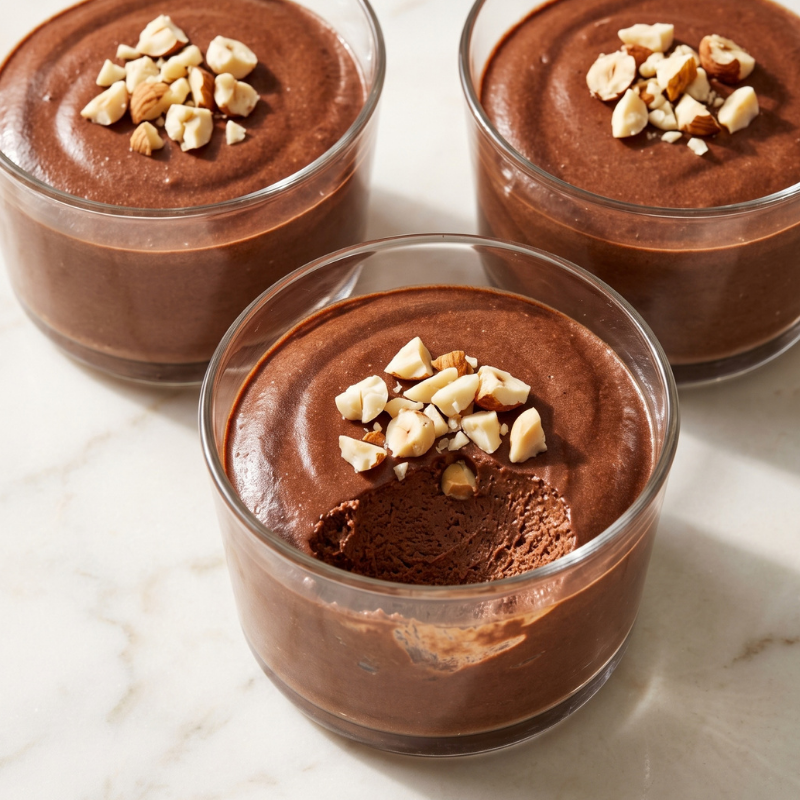
My guilt-free chocolate mousse uses low-fat milk and zero cream. Pan, whisk, 20 minutes active…
-
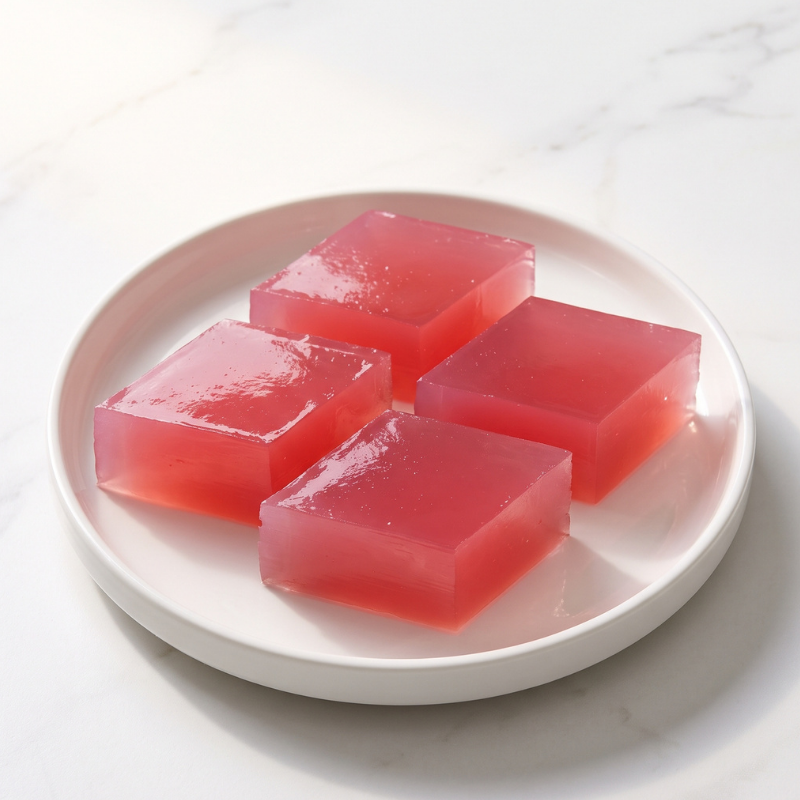
No gelatin, no fuss, no baking. This rose agar agar uses just 5 ingredients and…
-
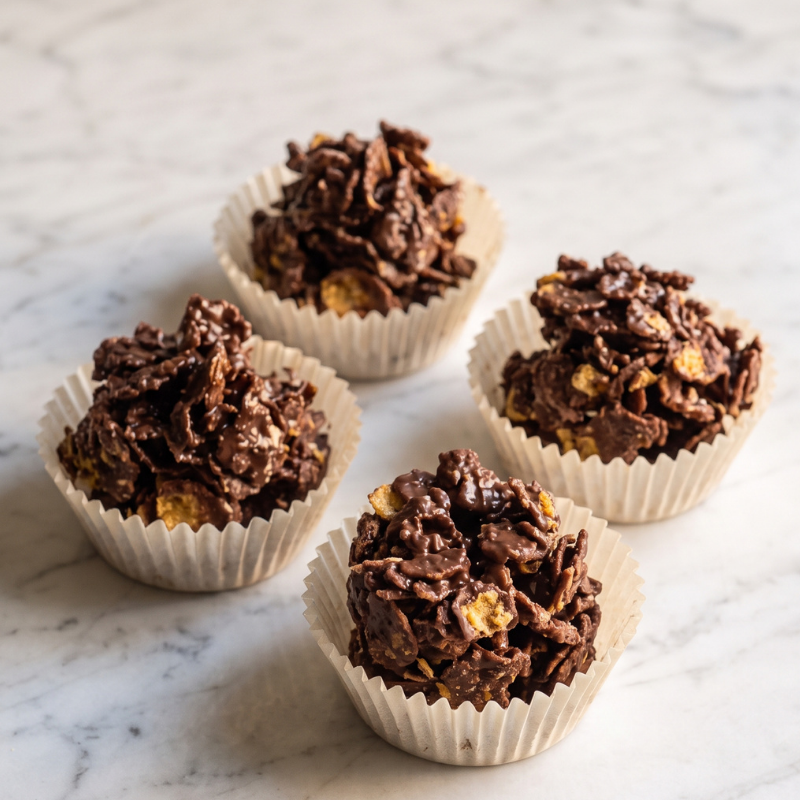
Melt, mix, and press your way to crunchy chocolate stacks with just five pantry staples.…
-
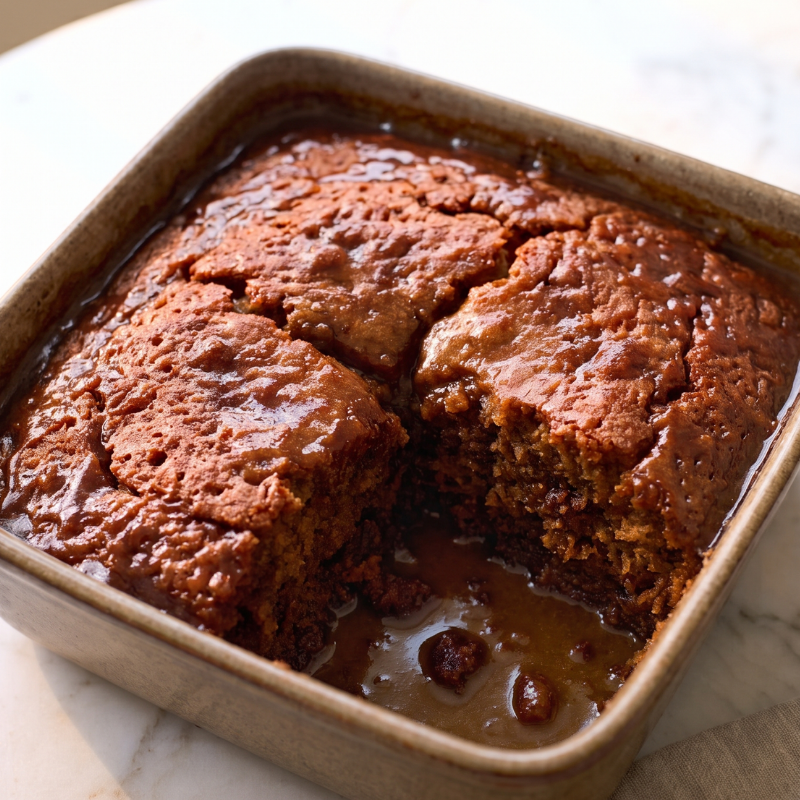
A warm, sticky pudding that makes its own sauce in the oven. Dates keep it…